Calorie and ingredient disclosure in Türkiye: What changed after 1 July 2026?
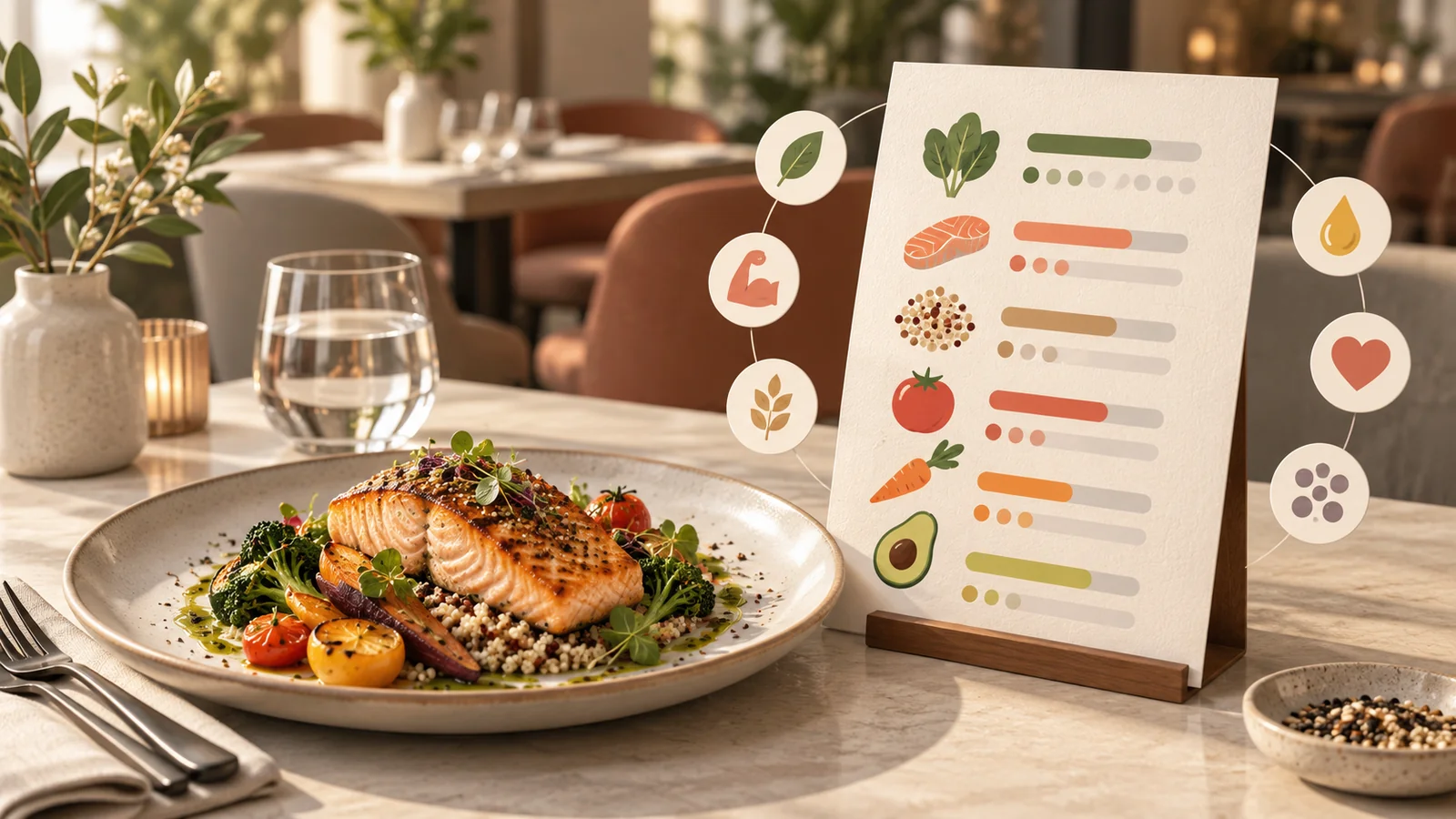
In Türkiye, mandatory menu calorie disclosure began on 1 July 2026 for food service establishments operating as nationwide chains. These businesses must provide ingredient and energy information for the food and drinks they serve. Establishments with three or more branches operating only within the same province must comply by 31 December 2026. For all other food service establishments, the deadlines are 31 December 2026 for ingredients and 31 December 2027 for energy. Allergen disclosure is a separate obligation that has applied since 1 January 2020. Ministry announcement, Guidance, section 47, page 75, Ministry allergen information.
Scope and deadlines by business type
These rules concern food served at food service establishments in Türkiye. The Ministry’s definition includes restaurants, cafés, canteens, schools, hospitals and mobile vehicles or stalls providing ready-to-eat food services. Packaged food labelling obligations require a separate assessment. Ministry scope information.
Nationwide chains - Ingredient disclosure deadline: 1 July 2026. - Energy disclosure deadline: 1 July 2026. - As of 25 October 2026, this deadline has passed and disclosure should already be in place.
Establishments with three or more branches operating only within one province - Ingredient disclosure deadline: 31 December 2026. - Energy disclosure deadline: 31 December 2026. - Both preparations must be completed by the end of 2026.
All other food service establishments - Ingredient disclosure deadline: 31 December 2026. - Energy disclosure deadline: 31 December 2027. - These are two different deadlines, not a permanent exemption.
The timetable comes from sections 47.1–47.3 of the Guidance. A single-branch café outside a nationwide chain follows the end-of-2026 ingredient and end-of-2027 energy deadlines. A restaurant with three branches operating only in the same province has an end-of-2026 deadline for both.
Section 47 does not specify a separate branch-count threshold or detailed franchise definition for nationwide chains. For businesses spanning several provinces, shared brands under different companies or franchise arrangements, do not determine the category from the total branch count alone. Confirm the classification with the provincial or district agriculture and forestry directorate.
What the July application changed
The 2026 revision explicitly requires ingredient and energy information for foods served at food service establishments. National chains entering the first group does not mean every restaurant and café has the same compliance date. Guidance, sections 41.3 and 47.
The Guidance was first published on 26 November 2024. The examined version is revision 002, dated 10 March 2026; the Ministry announced the update on 13 March 2026. Section 49 provides for entry into force on publication, while section 47 sets separate compliance periods. The date 1 July 2026 is therefore the national-chain compliance date and announced implementation start, not the original publication date of the underlying regulation. Guidance, pages 1 and 75, update announcement.
This is a mandatory consumer information requirement, not a voluntary certification programme. The provision added to article 48 of the regulation in 2024 requires businesses to comply with the relevant guidance. A voluntary management-system certificate does not fulfil the disclosure obligation. Regulation amendment, article 6.
What information the menu needs
Section 41.3 requires information on ingredients and energy. The worked example calculates the total energy of one served portion using average energy values for its ingredients. Customers need the total portion value, not separate energy figures for every ingredient. Guidance, pages 72–73.
Start by defining recipes and portions. Include sauces, garnishes and additions such as drink syrups. Account for different portion sizes and optional extras. Different recipes sold under the same product name can cause the displayed information to diverge from the food actually served.
Where present, allergens, alcohol and pig-derived ingredients also need attention. Section 41.5 requires information about them to accompany the food name and stand out clearly from the rest of the ingredient list, for example through an appropriate font size or style. Guidance, section 41.5.
Allergen disclosure cannot wait until 2027
Allergen information has been mandatory at food service establishments since 1 January 2020. The new energy timetable does not postpone it. The Ministry states that disclosure must address the 14 groups listed in the regulation. Cereals containing gluten, milk, eggs, peanuts and sesame are examples; the assessment must cover the complete list. Ministry allergen information and full list.
Declaring an allergen present in a recipe and assessing cross-contact in the kitchen are separate tasks. Check supplier labels, compound-sauce ingredients and preparation methods together. Service staff should know where current information is held and whom to ask. Do not promise “allergen-free” food based only on its name or an old recipe. Seek a food safety specialist’s assessment of such claims and cross-contact management.
QR codes are permitted with access conditions
Information may be provided through menus, boards, brochures, QR codes, digital screens or similar tools, provided it is easy to see and clearly legible. Check that customers can find current information for the correct product. Guidance, section 41.4.
When using a QR code, a visible written notice must explain both that the information is available through the code and that it will be provided on request to customers without a device capable of scanning it. Staff must be able to fulfil that request. A current printed information file is one practical solution; the cited section does not prescribe a single mandatory printed format. Guidance, section 41.4.
Include takeaway and online ordering channels. Section 43.5 requires ingredient and energy information at the purchasing stage for distance sales by food service establishments. Updating only the menu on the table is insufficient preparation; check your own ordering screens and other sales channels. Guidance, section 43.5, page 74.
Preparing energy information per portion
The Guidance example uses the amount of each ingredient in a portion and its average energy per 100 grams. Multiply the ingredient’s weight in grams by its energy per 100 grams, divide by 100 and add the results. The example cites the Ministry’s TURKOMP National Food Composition Database for average values. Record the data source and applicable recipe. Guidance, worked example, page 73.
Raw and cooked weights, moisture loss, oil use and the actual served portion must be handled consistently. Have the recipe and calculation checked by a qualified food engineer or nutrition specialist with relevant expertise. Do not copy the example’s calorie figure directly to your own dish simply because it has the same name.
Review ingredients and calculations whenever the recipe or supplier changes. Assign responsibility for menu updates and record revision dates so kitchen and service information remain aligned.
Menu preparation checklist
This is an internal preparation aid, not an official inspection form.
- Identify the applicable business group and confirm unclear classifications.
- Record ingredient and energy deadlines separately.
- Check existing allergen disclosure without waiting for the calorie deadline.
- Gather current recipes, compound ingredients and portion sizes for food and drinks.
- Compare supplier information against all 14 allergen groups.
- Assess disclosure of alcohol and pig-derived ingredients where present.
- Record the source and version of each portion-energy calculation and obtain technical review.
- Include portion sizes, sauces and optional extras.
- Check readability, accessibility and required ingredient emphasis.
- If using QR codes, prepare the visible notice and a way to inform customers without a scanning device.
- Check takeaway and distance-sales information.
- Train service staff to find current information and handle customer questions.
- Assign responsibility for updates after recipe or supplier changes.
Sources last checked and content updated: 25 October 2026.