A business continuity plan for outages and supply disruption
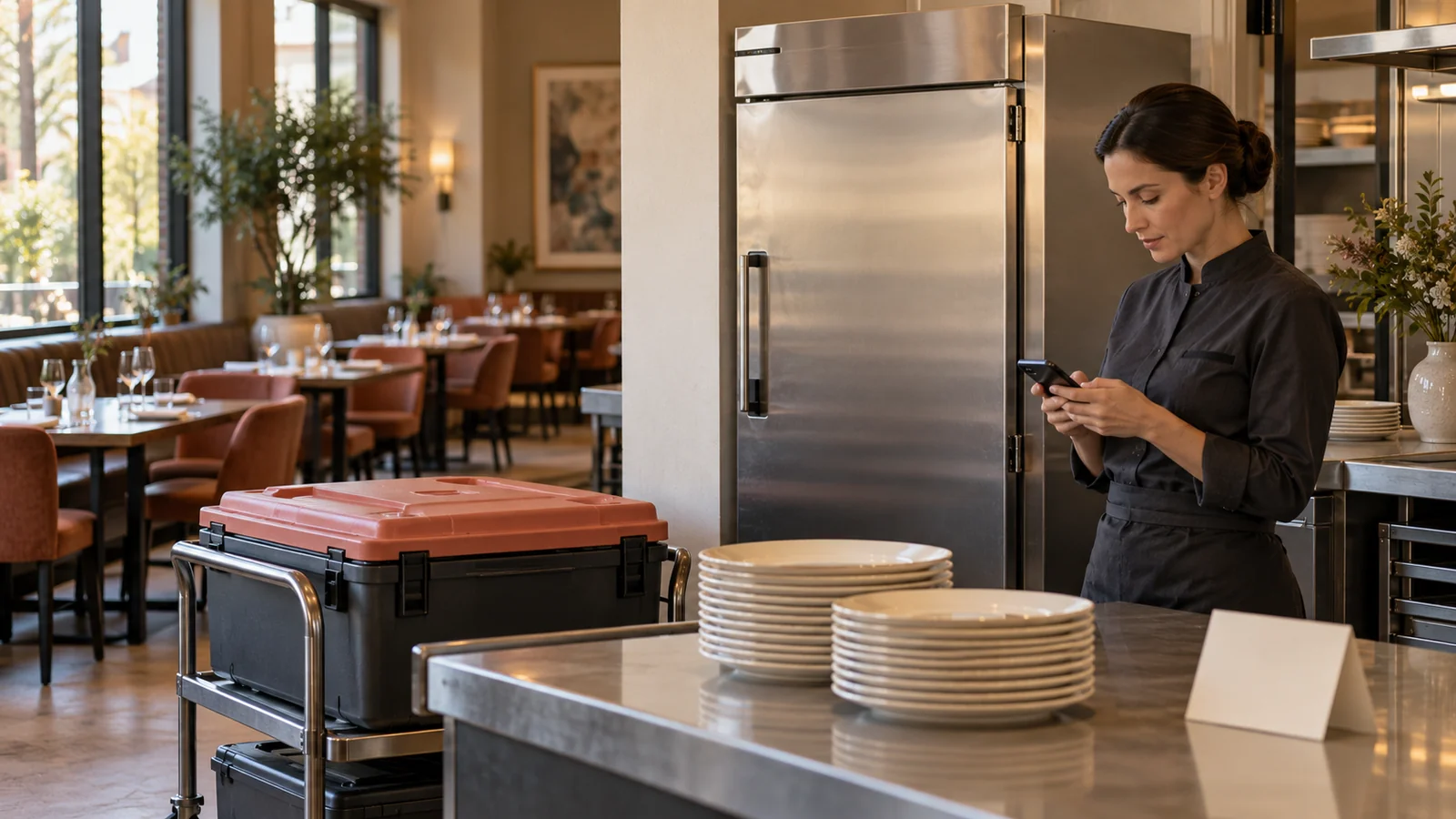
A restaurant business continuity plan defines which services can safely continue when electricity, water, internet, POS or supplies fail, when to stop and who may authorise reopening. Its purpose is controlled operation that protects people, food and accurate records. Adapt the disruption scenarios below to your restaurant or café in Türkiye, its equipment, menu and shifts.
Set authority and communication before an incident
Name an incident lead and deputy on every shift. In a suggested allocation, the manager handles service scope and customer communication, the chef handles food and kitchen capacity, the stock lead tracks inventory movements and the cashier tracks open bills and transaction status. Small teams may combine roles, but ownership must stay clear. Every worker should be able to report danger and safely stop the affected task. Authority to restart must belong to a designated lead.
Keep a printed contact list with controlled access: branch address, manager and deputy, building management, electricity/water/internet providers, authorised service, payment provider and accountant. Record when it was last checked. If life is threatened, move to safety and follow the workplace emergency plan and responders’ instructions; Türkiye’s emergency number is 112. Use the relevant provider for routine outage reports.
Define three operating states
- Normal: All necessary checks have been confirmed.
- Reduced service: Only products and channels with safe preparation, accurate information and a verified appropriate payment/documentation process remain open.
- Stopped: Stop the affected task, or all service if needed, when safety or a required process cannot be verified; close ordering channels accordingly.
Do not decide on the estimated outage length alone. Consider equipment, records, staffing and products together. “Back in ten minutes” is no clearance to operate.
Five disruption scenario cards
1. Electricity failure
Trigger: Lost power or equipment whose safe operation cannot be confirmed. First decision: Pause affected cooking, refrigeration and service; the lead assesses routes, lighting and ventilation. Avoid unnecessary refrigerator opening and retain the start time and available temperature records. Leave technical intervention to authorised personnel. Reopening evidence: Confirmation of safe equipment operation and a separate food assessment. Restored power alone is insufficient.
2. Water outage or suspected unsafe water
Trigger: No water, a quality alert or unknown suitability. First decision: Stop tasks without adequate handwashing, cleaning or safe preparation. Bottled drinking water does not prove all kitchen and toilet needs are covered. Türkiye’s Food Hygiene Regulation, articles 10 and 16 sets hygiene and sufficient potable-water requirements. Reopening evidence: Provider information and branch-specific hygiene checks, with competent food-safety assessment where needed.
3. Internet outage
Trigger: Order, reservation, kitchen display or payment systems cannot confirm status between them. First decision: Check which channels actually work; do not resubmit an unconfirmed order. Reduce new intake to safe, traceable capacity. Do not turn personal messaging into a temporary customer or payment-data register. Reopening evidence: Connection and transaction checks with the provider, reconciliation of pending and duplicate records.
4. POS or till failure
Trigger: Uncertain card transaction, fiscal device or document status. First decision: Stop the affected payment flow; contact the bank/payment provider and authorised service. Check collection separately from the fiscal document. Cash, transfers to a personal account or handwritten notes are not automatically appropriate alternatives. Agree an outage procedure beforehand with your accountant for your device, e-document status and current rules; this article offers no offline payment or invoicing method. Reopening evidence: Verified payment and documentation flow, with duplicate-charge checks. See the adisyon, receipt and invoice guide.
5. Supply disruption
Trigger: Late delivery, missing items or goods failing acceptance criteria. First decision: Reduce the menu to actual stock; do not treat an unverified replacement as equivalent. For an alternative supplier, check the required registration/approval scope, product and dispatch documents, batch, dates, packaging, storage/transport conditions and ingredients. The receiving lead records the outcome. Reopening evidence: Appropriate acceptance and updated recipe, price and customer information where necessary.
A different brand or ingredient can change allergens. Allergen information is mandatory in catering in Türkiye; use the Ministry’s allergen guidance. Verify ingredients and cross-contact risk before serving and update the food-allergy order workflow.
Protect stock and decide product by product
Record product/batch, quantity, last compliant record, outage start, measurements, location and decision owner. Clearly separate suspect goods and block their sale. If moving stock, verify destination capacity and transport conditions before sending it to another branch; record handover. Smell or appearance alone must not release goods; do not taste-test safety.
A competent lead should decide use, hold, return or disposal within the site’s food-safety plan using each product’s time-temperature history; obtain specialist assessment when uncertain. Do not apply one universal outage duration to all foods. Build monitoring alongside the cold-chain guide.
Completed scenario card: evening service disruption
The following times illustrate a fictional workflow, not safe holding limits.
- 18:40 — Incident: Power and internet fail; the shift manager leads, with the chef as deputy.
- 18:43 — Decision: New orders stop; existing orders are separated by status. The stock lead gathers refrigerator and food records; food does not automatically return to service.
- 18:45 — Communication: “A technical disruption means we cannot take new orders. Our team is checking your existing order individually. We will share another update at 19:00.” This is no reopening promise.
- 19:00 — Update: No provider confirmation; service remains closed. Set the next update and hand open bills to the cashier.
- Reopening: Depends on completing the checklist below, not a fixed time. Record the approver, time and supporting evidence.
Reopening checklist
- Is the site safe, with necessary technical checks complete and any authority restriction lifted?
- Are water, hand hygiene, cleaning, waste and necessary equipment conditions verified?
- Has suspect stock been separated and a documented decision made for each affected batch?
- Do menu, allergens, prices and ordering channels reflect real capacity?
- Are payment and documentation verified, with pending transactions and open bills reconciled?
- Does the team know its roles; has the lead recorded the reopening scope, monitoring and triggers for stopping again?
Limit the scope or remain closed if any item is uncertain. Monitor limited service first; stop the affected flow if trouble returns. This checklist cannot override an official closure.
Shift handover and closing actions after a drill
Handover form: Incident number/time ___; open/closed activities ___; held products/batches ___; pending order/payment status ___; latest provider information ___; next customer update ___; outstanding action, owner and deadline ___; outgoing/incoming leads and confirmation time ___. The incoming shift should repeat critical information back; “the manager knows” is no handover.
For a suggested tabletop drill, use a scenario without actually cutting power or water. Example finding: replacement supplier ingredients could not be found. Action: purchasing collects product documents within three working days and the chef checks the allergen mapping. Closure evidence: dated documents, checked recipe and menu, and confirmation at the next drill that the document can be retrieved. Keep the action open and the product unavailable if documents remain missing. Review the plan after faults, supplier changes or team changes.